

Smart Home vs. Home Integration: What's the Difference?

Take 5 Audio • August 28, 2026

A smart home uses individual connected devices like smart bulbs, voice assistants, and app-controlled thermostats. Home integration goes further by connecting all of those systems into a single, professionally designed platform where every device works together. The distinction matters because it affects reliability, usability, and long-term value.

What Makes a Home "Smart"

Most people start with consumer smart devices. A smart speaker, a few connected light bulbs, a video doorbell, and a Wi-Fi thermostat. Each device typically has its own app and connects to the internet independently. This approach is accessible and affordable, and it works reasonably well for individual tasks. However, as you add more devices, the experience begins to fragment. You end up with a phone full of separate apps, devices that do not communicate with each other, and occasional connectivity issues when a cloud service goes down.

A smart home, in the consumer sense, is a collection of independent devices. They may be "smart" on their own, but they are not necessarily working together as a system.

What Home Integration Adds

Home integration takes a different approach. Instead of individual devices operating independently, a professional integration platform like Control4 connects everything into one unified system. Lighting, audio, security, climate, shades, and entertainment all respond together through a single interface. A "Good Night" scene does not just turn off one smart bulb. It turns off every light in the house, locks all doors, arms the security system, sets the thermostat, and lowers the shades, all from one tap.

The system runs on dedicated local hardware rather than relying entirely on cloud connections, which means it responds faster and remains operational even when your internet is down. Professional systems like Control4 also integrate with a wider range of devices, including professional-grade equipment from brands like Lutron and Sonance that are not compatible with consumer platforms.

Key Differences at a Glance

Consumer smart home setups are self-installed, often cloud-dependent, and use separate apps for each brand. They are a good entry point but can become unreliable as the system grows. Professional home integration is designed, installed, and programmed by a certified integrator. It uses a central controller, runs locally, and manages every connected system from a single app, remote, or touchscreen. The result is a system that scales reliably, performs consistently, and adapts to your routine.

When to Consider Upgrading

If you find yourself managing more than a handful of smart devices, dealing with connectivity issues, or wishing your devices could work together more seamlessly, it may be time to consider professional integration. This is especially true if you are building a new home, renovating, or simply want your technology to feel effortless rather than frustrating.

See the Difference in Person

Visit the Take 5 Audio showroom in Middlebury, CT to experience a fully integrated Control4 system firsthand. See how lighting, audio, security, and climate work together from a single interface, and discuss how integration could work in your home. Schedule a demo to get started.

Frequently Asked Questions

  • What is the difference between a smart home and home integration?

    A smart home typically uses individual connected devices that each operate independently through their own apps. Home integration connects all of those systems into a single professional platform where everything works together through one interface, delivering more reliable and seamless control.

  • Do I need to replace my existing smart devices to get integration?

    Not always. Professional integration platforms like Control4 work with many popular smart devices and can often incorporate existing equipment into the system. Your integrator will evaluate what you have and recommend what can be kept versus what should be upgraded for the best experience.

  • Is home integration worth the cost over a DIY smart home?

    For homeowners who want reliable, whole-home control without managing multiple apps and troubleshooting connectivity, integration delivers significant value. The system is designed for your specific home, professionally installed, and supported over time, which reduces frustration and increases daily enjoyment.

  • Can a smart home be upgraded to a fully integrated system?

    Yes. Many homeowners start with consumer smart devices and later upgrade to a professional integration platform like Control4. A certified integrator can assess your current setup and design a transition plan that preserves compatible equipment while building a more cohesive, reliable system.

  • Does home integration work without internet?

    Professional integration systems like Control4 run on local hardware, so core functions such as lighting, scenes, and automation continue to work even if your internet connection is interrupted. Cloud-dependent features like remote access and voice assistants require an internet connection, but the local system remains fully functional.

Audio listening event in a showroom with high-end speakers and warm ambient lighting
By Take 5 Audio August 28, 2026
Take 5 Audio hosts monthly listening events in Middlebury, CT. Learn what to expect and join us for our upcoming Leon Speakers event on September 29th.

Modern commercial conference room with professional AV display and integrated technology
By Take 5 Audio August 28, 2026
Take 5 Audio designs and installs commercial AV and integration systems for Connecticut businesses, including conference rooms, restaurants, offices, and retail spaces.
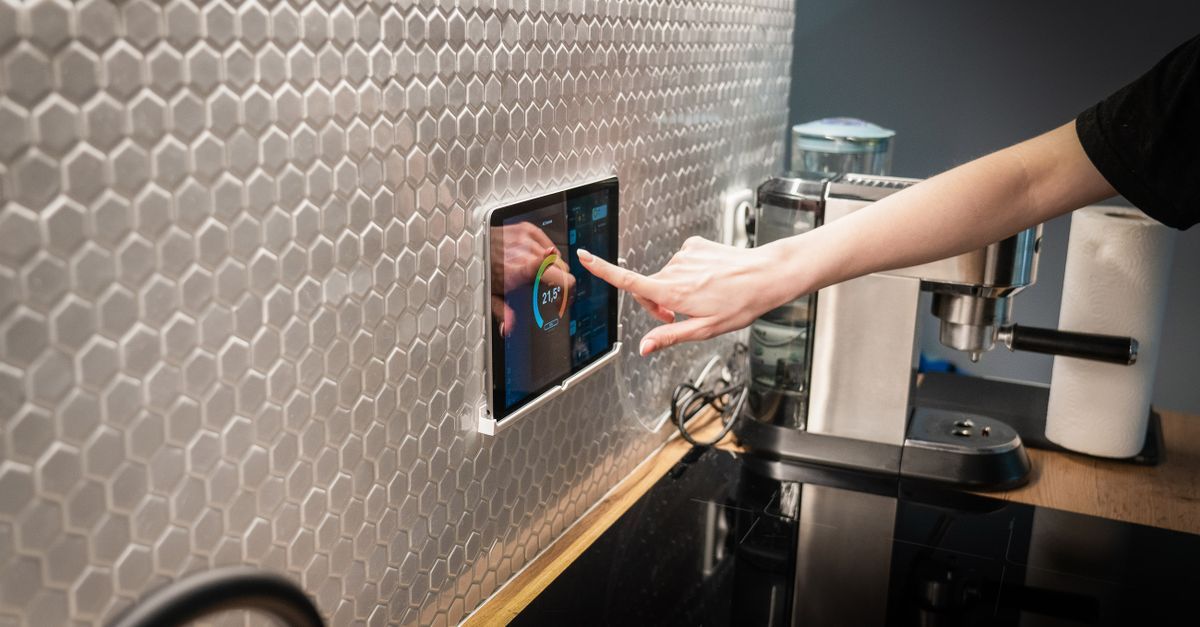
Person using a tablet to control smart home lighting, audio, and climate systems
By Take 5 Audio August 28, 2026
Learn how home integration with Control4 unifies lighting, audio, security, and climate into one app. Take 5 Audio serves homes and businesses across Connecticut.

Turntable with a vinyl record on a wooden table against black acoustic foam panels
By Take 5 Audio August 28, 2026
Thinking about a turntable setup? Learn what components you actually need for great vinyl sound, from phono stages to cartridges, at Take 5 Audio in Middlebury, CT.
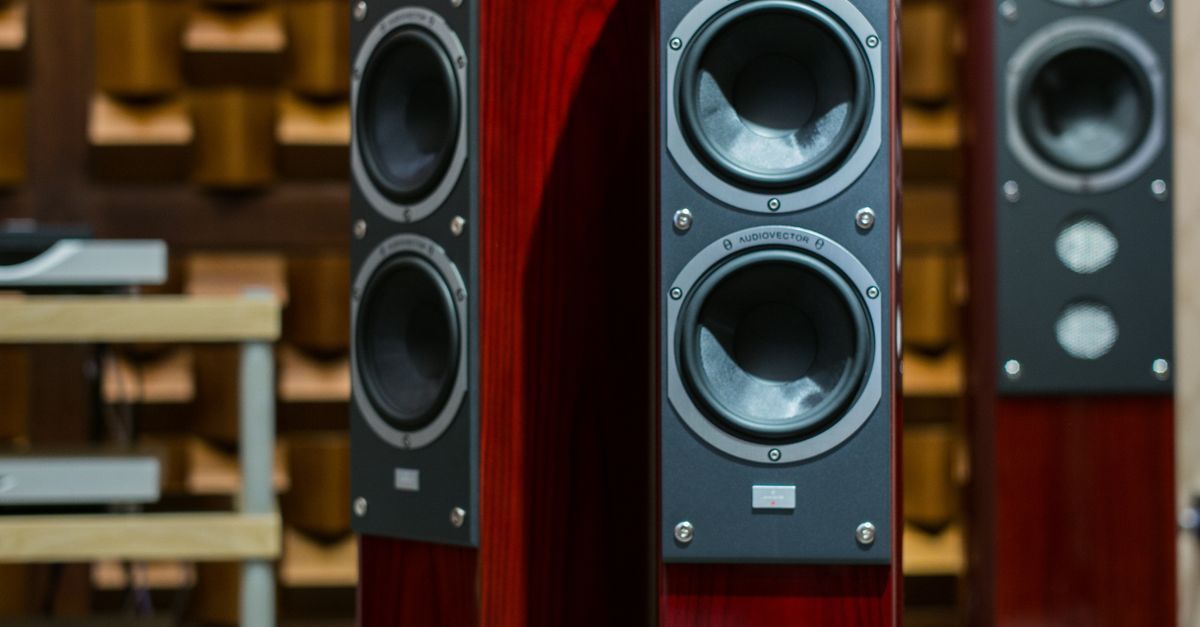
Black and wood bookshelf speakers displayed in a warm indoor showroom
By Take 5 Audio August 28, 2026
Learn how to build a high-end two-channel stereo system. Take 5 Audio in Middlebury, CT explains components, speaker selection, and what makes great hi-fi sound.
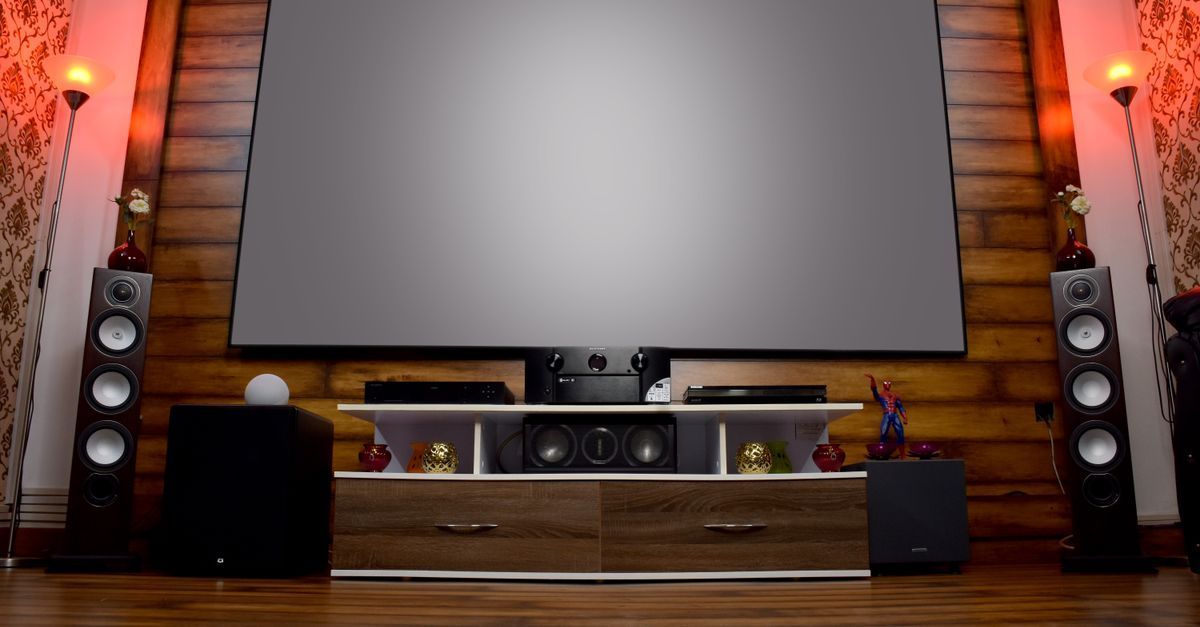
By Take 5 Audio August 28, 2026
What does home theater installation cost in Connecticut? Get local pricing for custom home cinemas, media rooms, and professional AV systems from Take 5 Audio in Middlebury, CT.
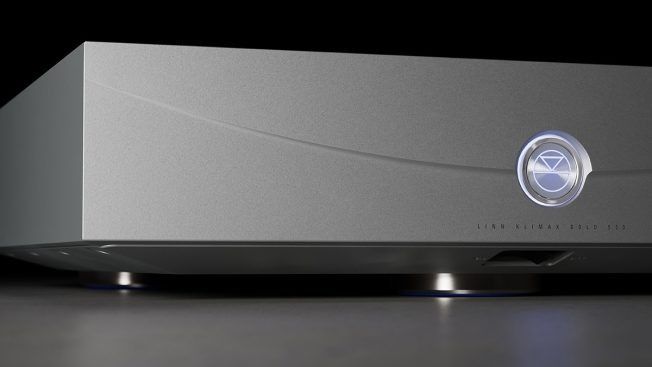
Silver audio component with curved face and glowing logo on a dark background.
March 2, 2026
LINN IS COMING TO CONNECTICUT– JOIN US ON March 26th.
By Ruan Marinho February 17, 2025
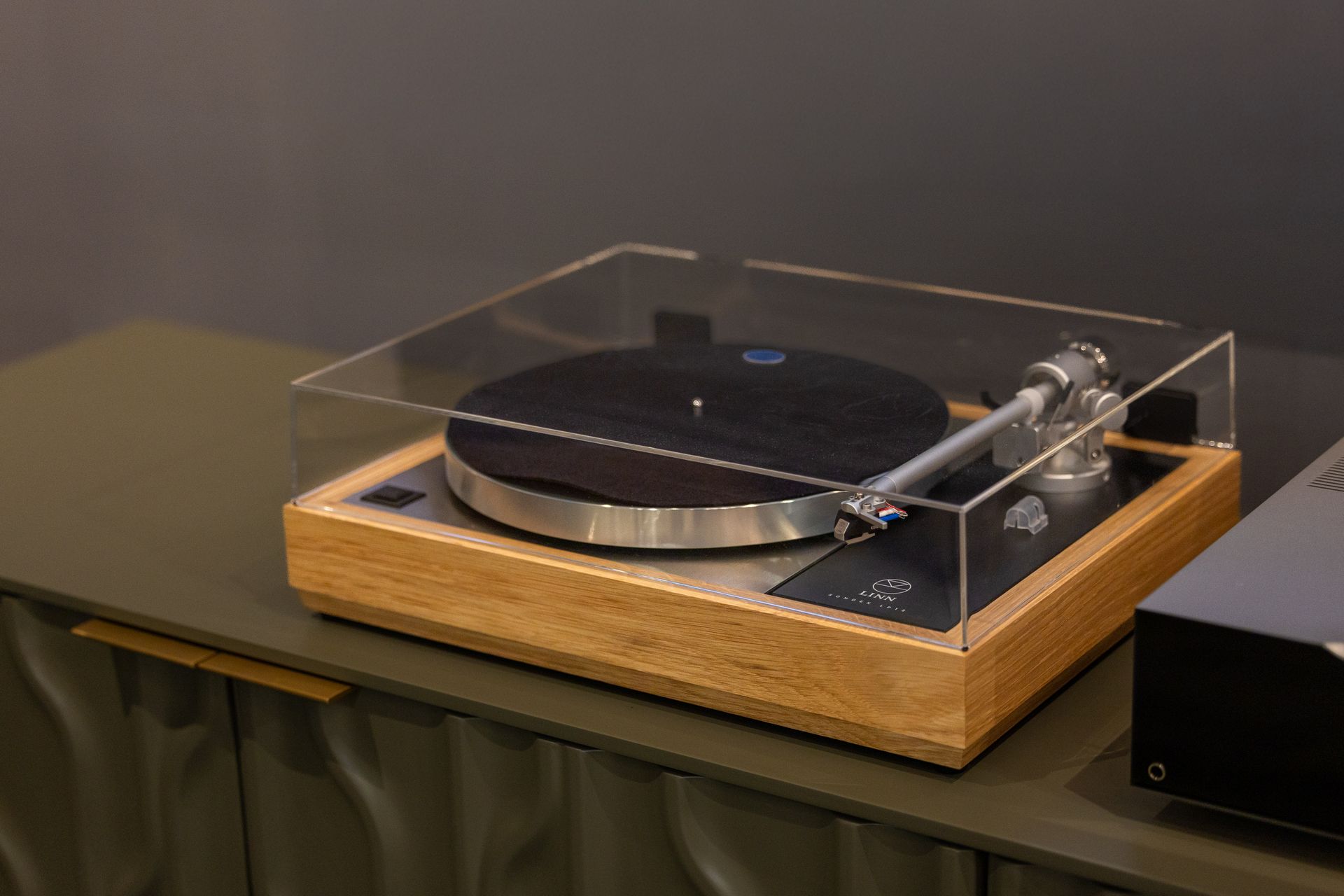
INTRODUCING THE LINN SONDEK LP12 TURNTABLE
By Ruan Marinho February 17, 2025
HOW CONTROL4 MAKES SMART HOMES BEAUTIFULLY SIMPLE